Why Children and Adults Both Need a General Dentist
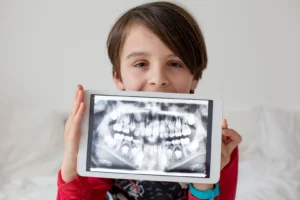


A healthy mouth does not happen by accident, and it does not belong to one age group. Children need careful guidance as their teeth erupt, shift, and mature. Adults need steady maintenance as years of wear, stress, diet, and medical changes begin to show. The one professional who often bridges both phases of life is the General Dentist.
That matters more than many families realize. Dental care is often treated as reactive. A child chips a tooth at soccer practice, or an adult notices a dull ache when drinking coffee, and only then does the search for a dentist begin. In practice, the strongest dental outcomes usually come from continuity. A General Dentist sees patterns over time, catches subtle changes early, and helps patients avoid bigger, more expensive problems later.
Families also tend to underestimate how connected oral health is to day-to-day life. A child with untreated decay may struggle to eat comfortably, sleep well, or focus in school. An adult who ignores gum inflammation may not notice the slow damage until teeth feel loose or restorative work becomes more complicated. Regular care is not just about keeping teeth white or checking a box on a wellness list. It affects comfort, confidence, speech, nutrition, and long-term health decisions.
What a General Dentist actually does
People sometimes hear the term "general dentistry" and imagine basic cleanings and little else. In reality, a General Dentist handles a wide range of preventive and restorative care. That includes routine exams, professional cleanings, fillings, x-rays when appropriate, sealants, fluoride guidance, and evaluation of gum health. Many also manage crowns, simple extractions, night guards, and early screening for bite issues or oral lesions.
The key word is general, not limited. A General Dentist is often the first clinician to spot a problem, explain it in practical terms, and either treat it directly or coordinate referral when a specialist is the better fit. That kind of judgment is valuable. Not every small issue needs a specialist, and not every issue should stay in a general office. The benefit for patients is having someone who understands the full picture and can guide the next step with perspective.
For families, there is another advantage that is easy to overlook. When one dental home serves both children and adults, the dentist can see how habits, routines, and risk factors run through the household. If a parent sips sports drinks all day, there is a fair chance the child has picked up similar habits. If one family member clenches their teeth from stress, the dentist may start asking better questions when another starts showing wear patterns. That kind of context rarely shows up in a one-time visit.
Children need more than cavity checks
A child’s mouth changes quickly. Baby teeth erupt, spacing shifts, permanent teeth come in at uneven angles, and the bite develops year by year. Because so much is changing, small concerns can become bigger ones if no one is watching closely. A General Dentist tracks these developments in real time.
Parents often focus on visible concerns, especially crooked teeth or discoloration. Those matter, but they are not the only concerns. A General Dentist also looks at brushing effectiveness, early decay between teeth, tongue habits, eruption timing, enamel strength, and signs of crowding that could affect future orthodontic treatment. Sometimes the most helpful visit is the one where nothing dramatic happens, but a careful baseline is established and the family leaves with a clearer sense of what to watch.
There is also a behavioral side to childhood dental care that cannot be dismissed. Many children do not naturally know how to clean well, sit still comfortably, or communicate when something feels wrong. Dental appointments teach those skills. A calm, experienced General Dentist can turn a nervous child into a confident patient over time. That is not a small win. A child who learns early that dental visits are manageable is more likely to keep seeking care as an adult.
In practical terms, children benefit from regular dental supervision because their risk changes quickly. A child who had no cavities at age five may have several weak spots by age seven after gaining more independence with brushing and eating. Another child may have deep grooves in the molars that collect plaque even when the rest of the mouth looks clean. These are ordinary patterns, not parenting failures. They are exactly why routine visits matter.
Adults need ongoing care for reasons that are often less obvious
Adults tend to assume that if nothing hurts, everything is fine. Dentistry rarely works that way. Many common problems develop quietly. Gum disease, grinding, failing fillings, cracks, recession, and decay under old dental work can progress for months or years with little warning.
A General Dentist helps adults stay ahead of that slow damage. During routine visits, they are evaluating not only whether a tooth has a cavity, but whether the margins of an older crown are holding up, whether the gums bleed too easily, whether the bite has changed, and whether certain teeth are carrying too much force. These details can be subtle, but they often determine whether someone needs a simple filling now or a root canal and crown later.
Adults also face risks that children do not. Medications can reduce saliva and increase decay risk. Stress can drive clenching and jaw pain. Acid reflux can erode enamel. Pregnancy can influence gum health. Diabetes can complicate inflammation and healing. The longer a person lives, the more layers there are to their dental picture. A good General Dentist keeps those layers in view and adapts care accordingly.
There is a financial reality here as well. Preventive visits and timely repairs are almost always less disruptive than delayed treatment. A small cavity restored early tends to cost less, preserve more tooth structure, and require less recovery than a cracked tooth that eventually needs endodontic treatment or extraction. Adults who have busy schedules often postpone care because they are trying to avoid inconvenience. The irony is that postponement usually creates more inconvenience later.
Why continuity matters across life stages
One of the greatest strengths of general dentistry is continuity. A dentist who sees a patient over years develops a memory that no chart can fully replace. They know which child is anxious but cooperative when spoken to slowly. They know which adult tends to minimize pain. They remember that a certain molar has had a watch area for two visits and now needs action. That accumulated knowledge improves decision-making.
Continuity also changes the quality of conversations. When a General Dentist already understands a family’s routines, constraints, and history, advice becomes more practical. Recommending a complex home care routine to a parent with three young children may not be realistic. Advising a night guard for a person under acute work stress might make immediate sense. Suggesting more frequent periodontal maintenance for an adult with a history of heavy tartar buildup can prevent repeated setbacks. The advice lands better because it fits actual life.
There is another benefit that families feel immediately. Familiarity lowers resistance. Children are less fearful in a known office with a known clinician. Adults are more likely to ask questions honestly when they are not starting over with a stranger. Better communication often leads to earlier intervention, and earlier intervention usually means better outcomes.
Prevention looks different at seven than it does at forty-seven
The principles of prevention are consistent, but their application changes with age. For children, prevention often centers on teaching technique, monitoring eruption, reducing sugary exposures, and protecting vulnerable chewing surfaces. For adults, it tends to focus more on preserving existing dental work, controlling gum inflammation, monitoring bite forces, and managing wear.
That difference is one reason a General Dentist is so useful. They understand that "brush and floss" is not enough guidance on its own. A six-year-old may need a parent to finish brushing at night because dexterity is still developing. A teenager with braces may need targeted cleaning instruction around brackets and wires. A middle-aged adult with gum recession may need a gentler brushing approach and tools that clean without causing more trauma. An older adult with dry mouth may need help rethinking snacks, hydration, and fluoride exposure.
The prevention conversation also changes with lifestyle. An adolescent athlete using sports drinks, an adult who sips coffee all morning, and a retiree taking several medications all present different patterns of risk. A General Dentist translates broad General Dentist dental principles into practical daily habits. That is where prevention becomes effective, not in generic advice but in individualized guidance that can actually be followed.
The family benefit of one dental home
Many households do better when care is coordinated in one place. Scheduling becomes easier, records are centralized, and treatment recommendations can be explained with family context in mind. A General Dentist who treats both parent and child can speak more naturally about shared habits, genetic tendencies, and realistic home care routines.
That does not mean every family must use one office for everyone. There are cases where a child benefits from a pediatric setting, or an adult has complex needs that lean heavily on specialists. Still, for many families, a General Dentist offers the right balance of accessibility, breadth, and consistency.
The convenience is real, but the clinical value is just as important. When one office can compare patterns across family members, education tends to become more concrete. If a parent keeps getting recurrent decay around older fillings, that may open a productive discussion about snacking frequency, dry mouth, or delayed care that helps the whole household. If a child shows early enamel wear, the dentist might ask whether anyone in the family has reflux or nighttime grinding. Those conversations are harder to have when care is fragmented.
Common reasons people delay routine visits
Even patients who understand the value of dental care put it off. The reasons are usually familiar, and most are understandable.
- They are not in pain and assume nothing is wrong.
- They had a difficult past dental experience and want to avoid the stress.
- Work, school, and caregiving schedules leave little flexibility.
- Insurance limitations make people hesitant to start.
- They worry they will be judged for waiting too long.
A seasoned General Dentist sees these concerns every week. The best offices address them without scolding. They explain findings clearly, prioritize treatment when budgets are tight, and work to rebuild trust for patients who have had unpleasant care elsewhere. That patient-centered approach matters because shame keeps people away, and delayed care rarely gets simpler with time.
Small issues become big ones quietly
Dentistry has a frustrating habit of making serious problems feel ordinary until they are advanced. A little bleeding while brushing gets dismissed for months. A rough edge on a filling is tolerated until the tooth fractures. A child says chewing on one side "feels funny," and by the time someone takes a closer look, decay has reached the nerve.
A General Dentist is trained to detect trouble before it becomes obvious. X-rays, visual exams, periodontal measurements, and bite evaluation are not just routine rituals. They are tools for identifying changes that patients cannot reliably see on their own.
Take gum disease as an example. In early stages, the signs may be subtle: occasional bleeding, mild puffiness, persistent bad breath. Many adults assume this is normal. It is common, but it is not normal in the sense of harmless. Left alone, chronic inflammation can lead to recession, bone loss, and tooth mobility. Treatment is more predictable and less invasive when it starts early.
The same applies to children with decay between the back teeth. Those cavities are easy to miss at home because they often form where parents cannot see. By the time the child complains, treatment may be more involved than a simple filling. Regular visits narrow that gap.
A General Dentist helps patients make decisions, not just receive treatment
One of the less appreciated roles of a General Dentist is helping people think through options. Not every chipped tooth must be restored immediately. Not every suspicious area should be watched for six more months. Not every adult with crowding needs orthodontics, and not every child with spacing issues needs early intervention. Dentistry often involves judgment calls, and patients need clear guidance grounded in experience.
That guidance should include trade-offs. A filling can solve decay but may eventually need replacement. A crown can protect a heavily restored tooth, but it requires more tooth reduction than a filling. Monitoring a borderline area avoids overtreatment, but it carries the risk that the problem may progress between visits. Good general dental care is not about selling the most treatment. It is about matching the recommendation to the condition, the patient’s risk, and the likely long-term outcome.
This matters for both children and adults. A cautious, observant approach may be right for a child with a minor eruption irregularity that could self-correct. A more decisive approach may be right for an adult with repeated fracture lines and heavy clenching. The value lies in judgment, not just technical skill.
What families should expect from routine care
Dental appointments are most useful when patients understand what they are for. A routine visit is not only a cleaning. It is an assessment of change. The dentist is comparing what they see today against what has happened before and what is likely to happen next.
In a well-run general practice, families can usually expect several things to happen consistently. The clinical team will review health updates, because medications and diagnoses can affect the mouth. They will examine the teeth and gums for active disease or deterioration. They will evaluate existing dental work. They will discuss hygiene habits and practical improvements. If something needs attention, they should explain urgency honestly, without dramatics.
A strong dental office also knows when to slow down. Some children need a shorter first appointment to build trust. Some adults need time to discuss fear, finances, or past trauma before they can commit to treatment. Technical ability matters, but so does pacing. The best General Dentist balances both.
When a specialist is the right next step
General dentistry is broad, but it is not meant to replace every specialty. One sign of a thoughtful General Dentist is knowing when referral will benefit the patient more than in-house treatment.
The most common specialist referrals usually involve needs such as these:
- orthodontic evaluation for significant bite or alignment concerns
- endodontic care for complex root canal cases
- periodontic treatment for advanced gum disease
- oral surgery for difficult extractions or impacted teeth
- pediatric specialty support for children with extensive treatment needs or severe anxiety
This does not weaken the role of the General Dentist. It strengthens it. The general office remains the central point of continuity, helping patients understand why referral is needed, what the specialist will do, and how care fits back into the broader plan. For families, that guidance is often the difference between feeling overwhelmed and feeling informed.
The emotional side of dental care matters too
Children often bring their fears openly. Adults tend to hide them better, but they are no less real. Fear of needles, embarrassment about neglected care, anxiety about cost, and worry about bad news all keep people away from the dental chair. A skilled General Dentist does not treat those concerns as side issues. They are part of care.
For children, emotional comfort shapes future behavior. If early visits are calm, respectful, and predictable, the child learns that dental care is manageable. If the first memory is rushed or frightening, resistance may last for years. That is why tone, patience, and communication style matter so much in family dental care.
Adults need the same respect. Many have gone a long time without seeing a dentist, not from indifference but from competing priorities or difficult experiences. Being met with clarity instead of judgment makes reentry possible. In many practices, the turning point is not a dramatic procedure. It is a simple conversation where the patient finally feels heard and understands the plan.
Oral health changes with life, not just age
It is easy to think of dental care in age categories, but life events often matter more than birthdays. A child starting orthodontic treatment, a college student suddenly managing their own routine, a new parent sleeping poorly and sipping sweet coffee all day, an adult beginning blood pressure medication, or an older patient caring for a spouse while neglecting personal appointments, each of these moments affects oral health.
A General Dentist is uniquely positioned to respond because they are built for long-term care, not one isolated procedure. They can adjust recall frequency, update home care recommendations, monitor new risk factors, and help patients navigate changes without turning every shift into a crisis.
That long view is why children and adults both need a General Dentist. The mouth is not static. Habits change, bodies change, risk changes, and treatment decisions made early often echo for years. Having a trusted clinician who knows how to guide preventive care, recognize problems promptly, and coordinate the next step when needed is not a luxury. For most people, it is the foundation of good dental health.
A family may first seek out a General Dentist for convenience. They usually stay for a better reason. Over time, that relationship becomes one of the few in health care that can span decades, from first loose tooth to worn filling to night guard to crown replacement and beyond. When care is consistent, personalized, and grounded in judgment, both children and adults are better served.
Aspenwood Dental Associates and Colorado Dental Implant Center
2900 S Peoria St Ste C, Aurora, CO 80014, United States
+1 303-731-4037
FAQ About General Dentist
How long do teeth fillings last in Aurora, CO?
Fillings can last for years, but they are not lifetime restorations. Their durability depends on the material, the size and location of the filling, chewing forces, and oral hygiene. A general dentist can examine a filling for wear, damage, or new decay and explain whether monitoring, repair, or replacement is appropriate. Age alone does not establish that a filling needs replacement.
How Can I Reduce Dental Anxiety?
Tell the dental team about your concerns when booking and again at your visit. Ask for an explanation of each step, agree on a signal for breaks, and consider slow breathing or headphones if the practice permits them. Discuss pain control and any sedation options with the dentist; suitability depends on your health, medicines, and planned treatment.
When should your child first see a dentist in Aurora?
Arrange the first dental visit within six months after the first tooth appears and no later than the first birthday. Early visits allow the dentist to assess development and discuss brushing, fluoride, feeding habits, and cavity prevention. Ask the practice whether it sees infants and how it handles referrals when a child needs specialist care.