Same-Day Dental Emergency Aurora Appointments: What to Expect
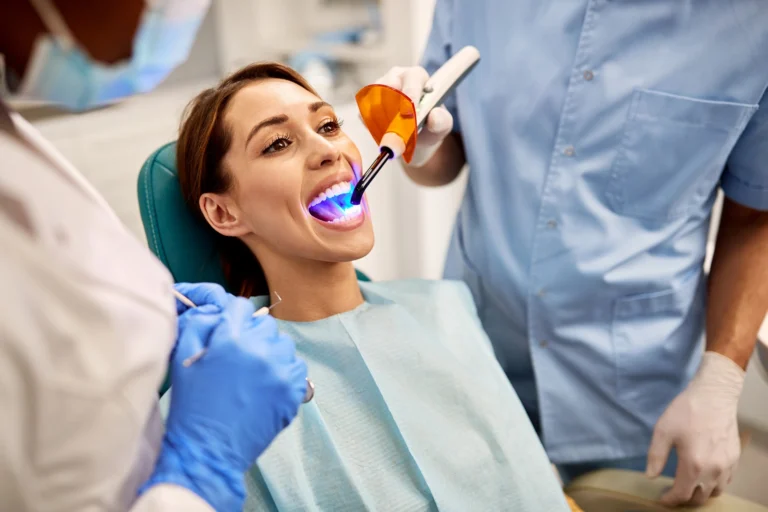
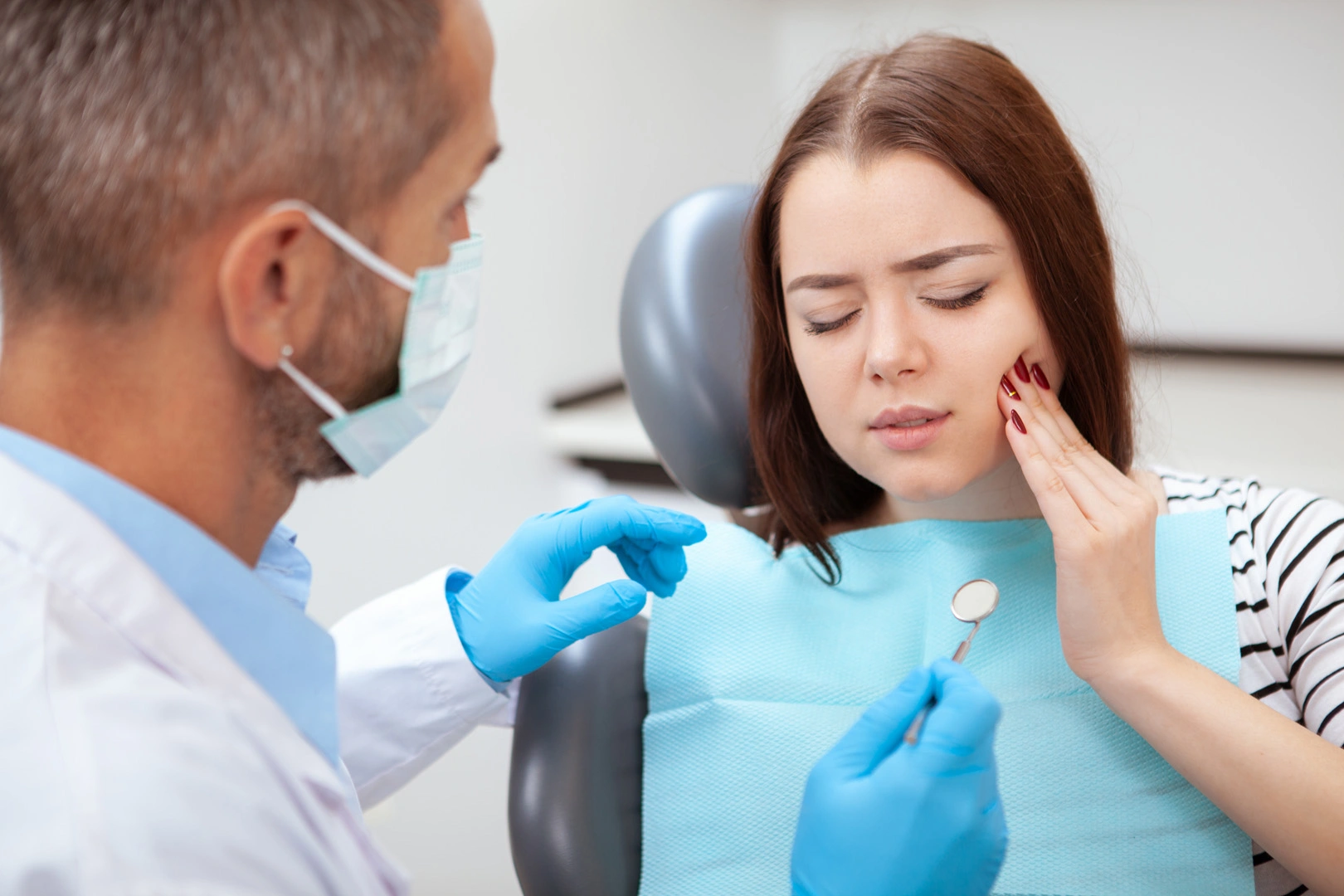

A dental emergency rarely arrives at a convenient time. It starts with a cracked molar at lunch, a child who falls at practice, a crown that comes loose before a work presentation, or a deep toothache that becomes impossible to ignore at 2 a.m. When that happens, people usually have two questions: how quickly can I be seen, and what will happen once I get there?
If you are searching for a same-day Dental Emergency Aurora appointment, it helps to know what a dental office can realistically do on short notice, how dentists decide what needs immediate treatment, and what you can do before you even step through the door. Emergency visits move fast, but they are not random. A good practice follows a clear clinical process, even when the patient is in pain and the schedule is tight.
The first thing to understand is that same-day care is often about stabilization as much as it is about a complete fix. Some problems can be treated fully in one visit. Others need pain control, infection management, or protection of the tooth first, followed by a longer procedure after the situation is under control. Patients sometimes expect every emergency to end with a finished restoration that day. In real practice, the safer and more predictable approach may be to relieve pain, stop damage from getting worse, and return for definitive treatment once the tooth, gums, or surrounding bone can be properly addressed.
What counts as a true dental emergency
Not every urgent dental problem is life-threatening, but many are time-sensitive. A true emergency is any situation where delaying care could worsen pain, spread infection, damage a tooth beyond repair, or affect your ability to eat, sleep, or function normally. Severe toothaches, swelling, trauma, uncontrolled bleeding, broken teeth with nerve exposure, and knocked-out teeth usually deserve same-day attention.
There is also a middle category that many patients underestimate. A lost filling, a chipped tooth, or a broken denture may not look dramatic, but if the exposed area is sharp, sensitive, or vulnerable to infection, same-day evaluation can save you from a much larger problem a day or two later. Dentists see this often. Someone waits through a weekend with what seems like a minor crack, keeps chewing on it, and by Monday the fracture line extends below the gumline. What might have been a straightforward crown becomes an extraction discussion.
Swelling deserves special respect. If swelling is increasing quickly, affects your eye area, extends into your neck, or makes swallowing or breathing difficult, that is no longer a routine dental office matter. That requires immediate medical attention. A reputable dental office will tell you that plainly.
What happens when you call for a same-day appointment
The emergency visit begins before you arrive. When you call, the front desk or clinical team will ask focused questions to gauge urgency and prepare the schedule. They are usually trying to answer a few practical things at once: whether your condition can be treated in-office that day, how much time to reserve, whether the doctor needs to review x-rays immediately, and whether your symptoms suggest a need for hospital-level care instead.
Expect questions about when the problem started, where the pain is located, whether swelling is present, whether you have fever or drainage, and whether there was trauma. If a tooth was knocked out, they may ask how long it has been out of the mouth and whether it has been stored in milk or saliva. If a crown or bridge came off, they may ask whether you still have the piece. If bleeding is involved, they may ask whether it slows with pressure.
This phone call matters more than people think. Good triage can change the outcome. A knocked-out permanent tooth has a much better chance if it is handled correctly before arrival. A child with a fractured front tooth may need a very different appointment setup than an adult with a back molar abscess. A patient taking blood thinners may need extra planning for any treatment involving bleeding control. What feels like administrative intake is actually the first layer of emergency care.
How to prepare before you leave home
Most patients are rattled when they call, which is understandable. A little preparation can make the appointment smoother and, in some cases, improve the clinical result.
If you can do only a few things, focus on these:
- Bring any broken tooth piece, crown, bridge, denture segment, or orthodontic appliance part you can safely recover.
- Make a short note of your symptoms, including when the pain started, what triggers it, and any swelling or fever.
- Bring a list of medications, allergies, and relevant health conditions, especially if you take blood thinners or have diabetes.
- Avoid eating on the affected side, and do not place aspirin directly on the gum or tooth.
- If a tooth has been knocked out, keep it moist in milk or saliva and get to the office immediately.
That last point is worth repeating because timing changes prognosis. A knocked-out permanent tooth is one of the few situations in dentistry where minutes matter. It should be handled by the crown, not the root, and reimplanted or stored properly as fast as possible.
What you can expect when you arrive
Emergency appointments are usually efficient, but they are not rushed. There is a difference. The team knows you are there because something is wrong now, not because you are shopping for options on a quiet afternoon. The first phase is focused on assessment and pain source identification.
You will usually complete or update medical history forms, then a dental assistant or hygienist will gather basic details and, if needed, take limited x-rays of the area. Many emergencies require targeted imaging rather than a full-mouth series. A single periapical x-ray, bitewing, or panoramic image may be enough to show an abscess, root fracture, deep decay, or impacted issue. In trauma cases, multiple views may be necessary because fractures can hide depending on the angle.
The dentist then performs a focused exam. That can include tapping on teeth, testing temperature response, checking mobility, measuring gum pockets, evaluating the bite, and examining soft tissues for cuts, swelling, or signs of infection spread. If the problem is not obvious, the dentist may test several nearby teeth. Pain often radiates, and patients are not always able to point to the exact source. A lower molar can make the entire side of the jaw ache. Sinus pressure can mimic tooth pain in the upper back teeth. A cracked tooth may only hurt when pressure is released, not when the tooth is pressed.
One of the most reassuring parts of a well-run emergency visit is hearing the dentist explain what they know, what they suspect, and what they need to confirm before treatment. Good emergency dentistry depends on judgment, not guesswork. It is better to spend a few extra minutes diagnosing correctly than to numb and drill the wrong tooth.
The most common same-day treatments
Patients often imagine emergency dentistry as one thing, but the treatment varies widely depending on the cause. Sometimes the appointment ends with complete relief. Other times it ends with a temporary step that protects you until the definitive procedure can be done under ideal conditions.
A severe cavity or infected nerve may be treated with emergency root canal therapy if the tooth is restorable and enough time is available. In some cases, the dentist performs the full root canal that day. In others, they open the tooth to relieve pressure, place medication, and schedule completion soon after. If the tooth cannot be saved, extraction may be the better option.
A broken tooth may be smoothed, bonded, temporarily covered, or built up for a crown. If a crown comes off but the tooth underneath is sound, recementing it may be straightforward. If decay has developed under the crown or the tooth has fractured, the plan changes quickly. What looked like a simple recementation becomes a new crown, root canal, or extraction conversation.
Abscesses are common in emergency settings. Many people assume antibiotics alone solve the problem. They do not eliminate the source if the infection is inside the tooth or surrounding root structure. The real treatment is drainage, root canal therapy, extraction, or a combination of measures depending on the case. Antibiotics can support treatment in certain situations, especially when swelling is spreading or systemic symptoms are present, but they are not a substitute for definitive care.
Soft tissue injuries may need cleaning, sutures, pressure control, and follow-up. Denture breaks, lost fillings, and orthodontic emergencies often receive temporary stabilization to keep you comfortable until the proper repair is done.
Why you may not get the final restoration that day
This is one of the most common points of confusion. Patients understandably want a one-visit solution, especially if they rearranged work, childcare, or travel plans to come in. But emergency care is guided by what is clinically safe and predictable, not just what is convenient.
There are several reasons a dentist may recommend staged treatment. Infection can distort tissue and limit anesthesia effectiveness. Bleeding can affect bonding or impression accuracy. A tooth may need to settle after trauma before the long-term prognosis is clear. Lab-made restorations such as crowns, bridges, or some dentures take time. If a fracture extends below the gumline, additional planning is needed to determine whether the tooth is even restorable.
There is also the issue of preserving options. A thoughtful dentist does not rush into an irreversible procedure without enough information. For example, a front tooth injured in a fall may look stable in the first hour, but pulp damage may declare itself over days or weeks. Immediate cosmetic repair may still be appropriate, but long-term monitoring matters. The emergency visit solves the immediate problem while keeping the bigger picture in view.
Pain control during and after the appointment
Fear of pain keeps many people from calling early enough. Ironically, that delay usually makes treatment more difficult. Most emergency offices are very accustomed to managing anxious, uncomfortable patients. Numbing techniques have improved significantly, and dentists can often make even an inflamed area manageable with a combination of local anesthetic, supplemental injections, and a calm pace.
That said, certain emergencies are harder to anesthetize than routine visits. Hot teeth, which is the common phrase for teeth with severe inflammatory pain, can be stubborn. Patients sometimes interpret this as the dentist not caring or not believing them. In reality, inflamed tissue can change how anesthesia works. Experienced clinicians know when to pause, re-anesthetize, switch technique, or stabilize first and complete definitive treatment later.
After the visit, discomfort depends on what was done. A simple recementation may leave you feeling better almost immediately. An extraction, root canal start, or drainage procedure may involve soreness for a few days. Your dentist will usually recommend over-the-counter pain relief if it is medically appropriate for you, and they will tell you what symptoms are expected versus what would justify a call back. Sharp worsening pain, new swelling, persistent bleeding, fever, or a bite that suddenly feels very high after treatment all deserve follow-up.
The role of antibiotics, and the limits of them
Many emergency dental calls begin with a patient asking for antibiotics. Sometimes they are necessary. Often they are not. Dentistry has become more conservative and more precise about antibiotic use because overprescribing creates resistance and can expose patients to side effects without fixing the cause.
If your pain comes from inflamed nerve tissue inside a tooth, antibiotics may do nothing. If there is localized swelling that can be drained and treated directly, the procedure matters more than the prescription. If there is diffuse swelling, fever, facial cellulitis, or signs of infection spreading beyond the tooth, antibiotics may be an important part of care. This is where clinical judgment matters.
Patients are sometimes frustrated when they expect a prescription and get a treatment recommendation instead. But that recommendation is often the more responsible answer. The source of dental infection is frequently mechanical and anatomical, not just bacterial in the abstract. It has to be opened, cleaned, drained, or removed.
Costs, insurance, and why estimates can change
Emergency dentistry can be hard to price over the phone, and honest offices will say so. The exam and x-rays are usually predictable. The treatment is not, because the diagnosis determines everything. A toothache could require a filling, root canal therapy, extraction, or referral to a specialist. A chipped tooth might need a simple bond or a crown with core build-up, depending on depth and location.
Insurance can help, but same-day emergencies do not always align neatly with what a patient expects their plan to cover. Some plans cover exams and x-rays well but leave significant portions of major treatment as out-of-pocket costs. Others have waiting periods, frequency limits, or downgrades on certain restorations. If you are calling for a Dental Emergency Aurora visit and cost is a major concern, say so early. Offices can often prioritize pain relief and protective treatment first, then map out next steps in phases.
Patients appreciate transparency here. A trustworthy practice will tell you what can likely be done today, what may need a separate Dental Emergency Aurora appointment, and where costs could shift once the tooth is fully evaluated. That is not evasiveness. It is the reality of treating active disease and trauma.
Children, older adults, and special situations
Pediatric emergencies carry their own set of decisions. A baby tooth that is injured is managed differently from a permanent tooth. Parents often panic when there is bleeding from the mouth, and understandably so, but the treatment plan depends on age, tooth type, and whether the injury affected the tooth, the lip, the gum, or the jaw. Sometimes the child needs only observation and comfort measures. Other times prompt radiographs and referral are necessary.
Older adults often present with a different mix of problems: root decay, failing bridges, fractures around old large fillings, denture issues, or dry mouth-related decay tied to medications. Medical complexity matters more too. Healing can be affected by osteoporosis medications, diabetes, immune status, or anticoagulants. The emergency plan has to Dental Emergency Aurora fit the person, not just the tooth.
There are also patients who have avoided the dentist for years and finally call because pain leaves them no choice. A good emergency team recognizes that shame should never be part of the visit. The immediate goal is relief and a realistic plan, not a lecture.
When an emergency dentist may refer you elsewhere
Same-day care does not always mean all treatment stays under one roof. Some cases are better handled by an endodontist, oral surgeon, or hospital team. That is not a failure. It is often the safest decision.
A dentist may refer if the root canal anatomy is unusually complex, if a wisdom tooth is deeply impacted near a nerve, if facial swelling is extensive, if jaw fracture is suspected, or if sedation needs exceed what the office provides. Complex trauma can also involve medical imaging or multidisciplinary care. The best emergency practices know their limits and act quickly when those limits matter.
For patients, this can feel disappointing at first. You came in wanting the problem fixed on the spot. But thoughtful referral can prevent complications and protect long-term outcomes. Immediate diagnosis plus urgent referral is still meaningful emergency treatment.
Warning signs after you leave
Most patients do well once the source has been addressed, but follow-up matters. The body does not always follow a perfect timetable, especially when infection or trauma is involved. Know the difference between ordinary soreness and a warning sign.
Call the office promptly if you notice any of the following:
- Swelling that is getting larger instead of smaller.
- Bleeding that continues despite firm pressure.
- Fever, chills, or feeling significantly worse overall.
- Difficulty swallowing, speaking, or opening your mouth.
- Pain that suddenly intensifies after an initial period of improvement.
Those changes do not automatically mean something has gone seriously wrong, but they deserve attention. In dentistry, the trend matters. Stable or improving symptoms are reassuring. Escalating symptoms are not.
How to make the experience easier on yourself
There is no perfect way to have a dental emergency, but a few mindset shifts help. First, call early. Waiting to see if it magically settles down is one of the costliest habits patients have. Second, be precise when describing symptoms. Saying “it hurts everywhere” is understandable, but details about timing, triggers, pressure, heat, cold, and swelling help more than most people realize. Third, stay flexible about treatment. The best same-day outcome may be pain relief and stabilization, not a polished final fix.
It also helps to bring a practical expectation to the visit. Emergency dentistry is medicine under time pressure. The office is trying to diagnose accurately, relieve pain, preserve healthy structure, and avoid creating bigger problems with rushed decisions. When that process is explained well, most patients leave feeling more in control, even if a second appointment is needed.
What good same-day emergency care really feels like
Patients often describe the best emergency appointments in similar terms. They felt heard quickly. The office did not dismiss their pain. The dentist explained the findings in plain English. There was a clear immediate plan and a clear next step. Even when the problem was serious, the situation felt more manageable once someone had put structure around it.
That is what you should expect from a same-day Dental Emergency Aurora appointment. Not necessarily a miracle, and not always a complete repair in one sitting, but prompt assessment, informed treatment, honest communication, and a plan that puts your comfort and long-term dental health first.
When a practice handles emergencies well, the visit is more than a squeezed-in appointment on a crowded day. It is focused clinical care at the moment you need it most. And for many patients, that is the visit that restores trust in going to the dentist at all.
Aspenwood Dental Associates and Colorado Dental Implant Center
2900 S Peoria St Ste C, Aurora, CO 80014, United States
+1 303-731-4037
FAQ About Dental Emergency Aurora
What qualifies as a dental emergency?
A dental emergency is any oral injury or condition that involves severe pain, uncontrolled bleeding, or a potential infection that puts a tooth or your overall health at risk.
Can the ER do anything for a tooth?
AI Overview An emergency room (ER) cannot fix or pull a tooth, perform root canals, or provide long-term dental care, because most ERs do not have dentists on staff.
What is the 3-3-3 rule for tooth infection?
The 3-3-3 rule for a tooth infection or severe toothache is a short-term over-the-counter pain management strategy. It involves taking 600 mg of ibuprofen (typically three 200 mg tablets) 3 times a day for no more than 3 days.