General Dentist Aurora: Practical Tips for a Cleaner, Healthier Smile

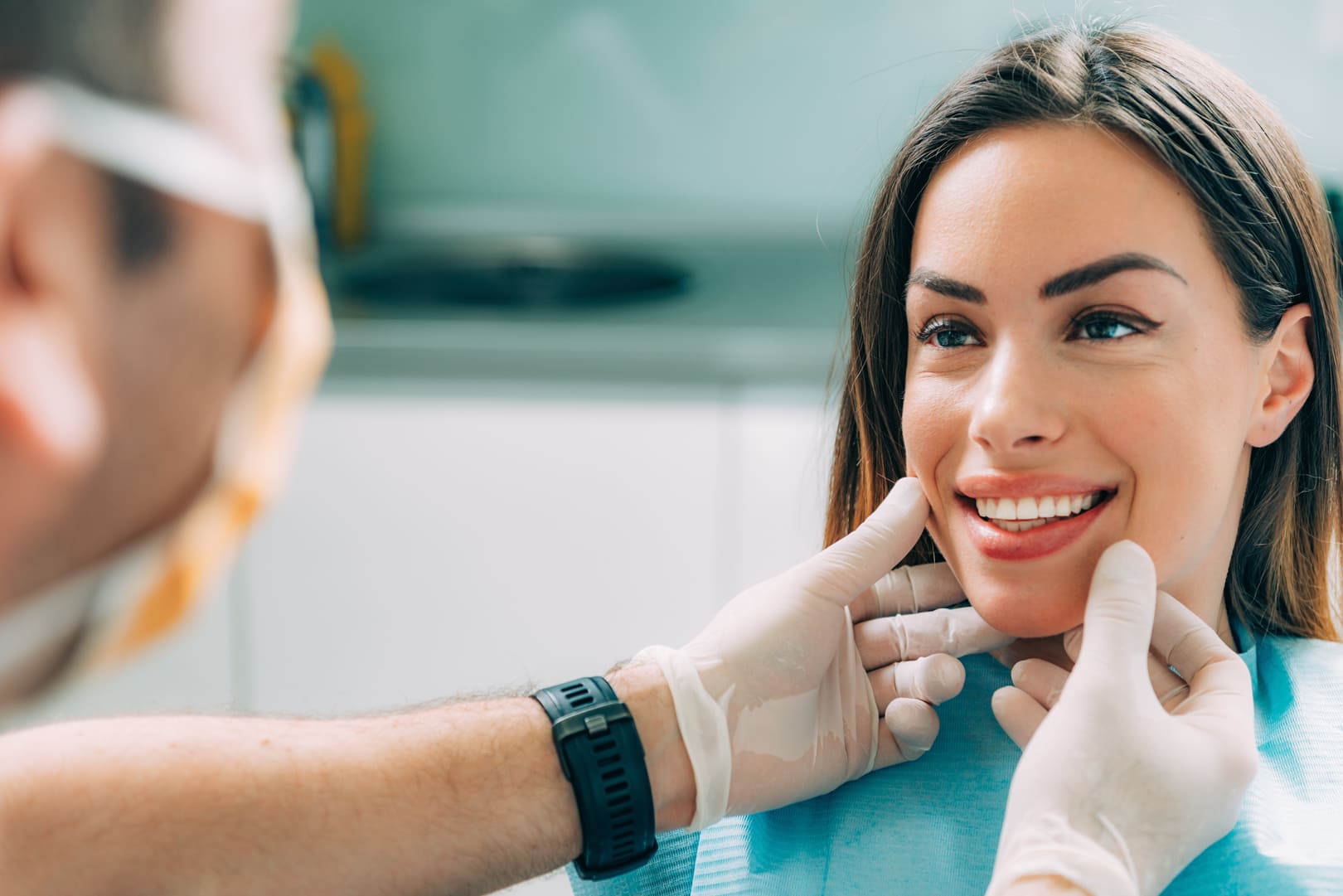
A healthier smile rarely comes from one dramatic change. It usually comes from a series of small habits, done well and done consistently. In a dental office, that pattern shows up every day. Two patients can use the same toothpaste, own the same electric brush, and still end up with very different results. The difference is usually technique, timing, diet, dry mouth, grinding, or simple gaps in routine that build up over time.
That is why practical advice matters more than perfection. Most people do not need a complicated routine. They need a routine that fits real life, stands up to busy mornings, and protects teeth and gums month after month. If you are looking for guidance from a General Dentist Aurora patients can trust, the most useful tips are often the least flashy. They focus on plaque control, gum health, cavity prevention, and catching small issues before they become expensive ones.
What a clean, healthy smile actually means
People often use the word “clean” to describe how teeth look after brushing, but dentistry uses a wider lens. A healthy mouth is not just bright teeth. It is a mouth with low plaque buildup, strong enamel, stable gums, fresh breath, balanced saliva, and no untreated decay. It is also a mouth that functions comfortably. You should be able to chew without tenderness, drink something cold without wincing, and floss without blood appearing every time.
One of the more common misunderstandings is that a smile can look fine and still have underlying problems. Early gum disease does not always hurt. A cavity between teeth may not be visible in the mirror. Clenching damage often starts as hairline wear or small chips that patients dismiss as normal aging. By the time pain appears, the problem is often larger and more costly to repair.
That is one reason regular exams matter. A good general dentist is not just looking for cavities. They are also checking the health of the gum tissue, evaluating bite forces, spotting old fillings that are starting to fail, and looking for signs of oral cancer, dry mouth, or chronic inflammation. Prevention is less dramatic than treatment, but it almost always leads to better outcomes.
Brushing well beats brushing hard
A surprising number of adults still brush too aggressively. They scrub back and forth with a medium or hard-bristled brush, thinking pressure equals cleanliness. In practice, that habit can wear down enamel near the gumline and irritate soft tissue. It also does not remove plaque as effectively as people assume.
Good brushing is gentle, slow, and thorough. Angle the bristles toward the gumline and let the brush do the work. If you use a manual brush, small circular motions are usually more effective than vigorous horizontal scrubbing. If you use an electric brush, guide it tooth by tooth and resist the urge to push. Most quality electric brushes are designed to deliver the action. Your role is positioning, not force.
Timing matters too. Two full minutes sounds simple, but many people brush for less than a minute. That is rarely enough to cover the outer, inner, and chewing surfaces properly. The places that get missed tend to be predictable, behind the lower front teeth, around the back molars, and along the gumline on the cheek side.
Choosing a brush does not need to be complicated. In most cases, a soft-bristled brush is the safest option. Replace it every three months or sooner if the bristles splay outward. Frayed bristles are a good clue that either the brush is worn out or the technique is too rough.
Flossing is about the gums as much as the teeth
Patients often think flossing is optional if their teeth do not trap food. It is not. The space between teeth is exactly where decay and gum inflammation often begin, especially in adults. Toothbrush bristles simply do not clean those narrow contact areas well enough.
The goal is not to snap floss straight down and yank it back out. That approach misses the plaque sitting just under the gumline and can make flossing feel unpleasant. The floss should slide gently between the teeth, curve around one tooth in a C shape, move up and down against the side, then repeat on the neighboring tooth. That motion disrupts the sticky biofilm before it matures into a more harmful, organized layer of bacteria.
Bleeding discourages people, but it should not be ignored. In many cases, mild bleeding is a sign of inflammation, not a sign that floss caused damage. If flossing becomes consistent, the bleeding often improves within a week or two. Persistent bleeding, however, deserves a closer look. It may point to gingivitis, tartar below the gumline, certain medications, or a systemic issue that needs attention.
For people who struggle with string floss, alternatives can help. Floss picks are convenient, though technique still matters. Water flossers are useful for orthodontic patients, bridgework, implants, and people with dexterity limitations. They should be seen as a strong supplement and, depending on the case, sometimes a practical substitute when traditional flossing is not realistic.
The foods and drinks that quietly work against your teeth
Sugar gets most of the blame, and fairly so, but frequency matters almost as much as amount. A dessert eaten with dinner is usually less damaging than sipping sweetened coffee for three hours or grazing on crackers all afternoon. Teeth can recover after an acid or sugar exposure, but they need time. Constant snacking keeps the mouth in a lower pH state, which increases the risk of enamel softening and cavities.
Acid is another major factor that often gets overlooked. Sparkling water with citrus, sports drinks, energy drinks, sour candy, kombucha, and frequent lemon water can all contribute to enamel erosion. Erosion is different from decay. It is a chemical wear process, and once enamel is lost, the body does not grow it back.
This does not mean every enjoyable food needs to disappear. It means making smarter choices around timing and rinse habits. Drinking acidic beverages with meals rather than sipping between meals can reduce exposure. Following with plain water helps. Brushing immediately after a highly acidic drink is not ideal because enamel may be temporarily softened. Waiting roughly 30 minutes is usually safer.
A practical rule that works for many households is this:
- Keep sugary or acidic drinks to mealtimes when possible.
- Choose water as the default beverage between meals.
- If you snack often, make at least some of those snacks tooth-friendly, such as cheese, nuts, or crunchy vegetables.
- Rinse with water after coffee, soda, wine, or citrus.
- Save sticky sweets for occasional treats rather than daily habits.
That kind of moderation tends to work better than strict, short-lived dieting. Dentistry rewards consistency.
Dry mouth changes everything
Saliva does more than keep the mouth comfortable. It buffers acids, helps remineralize enamel, and reduces bacterial overgrowth. When saliva flow drops, cavity risk climbs fast. Patients with dry mouth often notice bad breath, sticky oral tissues, changes in taste, trouble swallowing dry foods, or waking up thirsty with a rough feeling on the teeth.
Common causes include medications, especially many used for allergies, anxiety, depression, blood pressure, and sleep. Mouth breathing, snoring, dehydration, certain autoimmune conditions, and cancer therapy can also play a role. In practice, some of the worst cavity patterns appear in patients who have not changed their brushing at all, but started a new medication and developed dryness.
This is a situation where standard advice may not be enough. A person with significant dry mouth may need more frequent cleanings, prescription-strength fluoride, xylitol products, and a deliberate hydration plan. Alcohol-based mouth rinses often make the problem feel worse. Sugar-free gum can help stimulate saliva if the jaw tolerates chewing well.
If your mouth frequently feels dry, mention it at your dental visit. It is not a minor comfort issue. It can shift your risk profile dramatically.
Gum disease usually starts quietly
Most people imagine gum disease as something severe and obvious, but early stages can be subtle. The classic warning signs are redness, puffiness, bleeding when brushing or flossing, and a lingering bad taste or odor. In more advanced cases, gums may recede, teeth may appear longer, or biting pressure may feel different.
Gingivitis is the early, reversible stage. Periodontitis is more serious and involves the supporting structures around the teeth. Once bone loss is part of the picture, management becomes more involved. That does not mean teeth are doomed, but it does mean the disease needs professional attention and long-term maintenance.
The challenge is that gums can be inflamed without causing much pain. I have seen patients come in saying everything feels fine, then learn they have deep pockets around several teeth and a cleaning history full of long gaps. The body adapts quietly until it cannot.
For smokers and former smokers, the picture can be even trickier. Smoking changes how gum disease presents. Some smokers bleed less despite having more significant disease, which can create a false sense of security. Vaping is not a free pass either. Many users deal with dry mouth and tissue irritation that complicate oral health.
Whitening is popular, but it is not one-size-fits-all
A brighter smile is a reasonable goal, but whitening works best when expectations are grounded. It can lift many common stains from coffee, tea, wine, and tobacco, yet it will not change the color of crowns, veneers, or tooth-colored fillings. If front teeth have existing restorations, that matters. Whitening the natural teeth may make the restorations stand out more, not less.
Sensitivity is another common issue. Some people tolerate whitening strips or gels with no problem. Others experience sharp cold sensitivity after a day or two. That does not always mean whitening is impossible, but it may require a slower schedule, lower concentrations, or a desensitizing protocol. Skipping that conversation can turn a cosmetic project into a miserable week.
It also helps to distinguish between stain removal and true whitening. A professional cleaning often makes teeth look brighter because hardened buildup and surface stain are removed. If someone has not had a cleaning in a while, starting there makes more sense than buying several whitening products at once.
Mouthwash can help, but it cannot do the heavy lifting
Patients often ask whether mouthwash is necessary. The honest answer is that it depends on the person and the product. Mouthwash can support a routine, but it cannot compensate for rushed brushing and neglected flossing.
Fluoride rinses can be helpful for people prone to cavities. Antimicrobial rinses may be useful in certain gum care situations, though some are intended for short-term use and can have side effects such as staining or taste changes. Cosmetic rinses mainly freshen breath, which is fine, but they should not be mistaken for comprehensive care.
The bigger point is that the basics still matter most. Mechanical plaque removal remains the foundation. Mouthwash is the supporting actor, not the lead.
Grinding and clenching leave clues long before pain sets in
Stress shows up in the mouth more often than people realize. Grinding and clenching can flatten tooth edges, chip corners, create notches near the gumline, strain jaw muscles, and trigger headaches. Some patients only discover the habit because a partner hears them grinding at night. Others have no idea until a dentist points out the wear patterns.
The wear itself is only part of the issue. Heavy bite forces can also shorten the lifespan of fillings, crowns, and even natural tooth structure. When a patient repeatedly breaks a filling or reports morning jaw tightness, it is worth thinking beyond the tooth and looking at the muscle and bite habits behind it.
Night guards can be very helpful, but the right design matters. Over-the-counter guards may be better than nothing for some people, yet they are bulkier, less precise, and not always ideal for bite stability. A custom guard tends to fit better and is usually easier to wear consistently. The goal is protection and muscle relief, not just putting plastic between the teeth.
Dental visits catch the problems you cannot see
A routine dental appointment does more than “clean the teeth.” It is one of the few health checks where tiny changes in hard and soft tissue can be tracked over years. That history matters. A small shadow on an x-ray may not need a filling today, but it may need monitoring. A cracked tooth may be stable for a long time, or it may fail suddenly under the General Dentist Aurora wrong bite load. Good dentistry involves judgment, not just treatment.
For many adults, a six-month schedule works well. For others, especially those with gum disease, heavy tartar buildup, dry mouth, braces, or a history of frequent cavities, shorter intervals may be recommended. That is not upselling when it is appropriate. It reflects a different risk level.
If you are choosing a General Dentist Aurora residents often do well to look beyond office aesthetics and promotional offers. What matters more is whether the dentist explains findings clearly, tailors prevention to your risk factors, and avoids both overreaction and neglect. A measured dentist will tell you when a spot can be watched and when action is truly needed.
Small daily habits that make a visible difference
Most improvements in oral health come from a few repeatable behaviors, not from heroic effort. The people who maintain healthy smiles for decades are usually not doing anything dramatic. They have simply made certain habits automatic.
Here are the habits that tend to pay off the most:
- Brush twice a day for a full two minutes with a soft-bristled brush and fluoride toothpaste.
- Clean between the teeth daily with floss, interdental brushes, or a water flosser when appropriate.
- Limit frequent sipping and grazing, especially with sugary or acidic foods and drinks.
- Keep regular dental exams and cleanings, even when nothing hurts.
- Address warning signs early, especially bleeding gums, sensitivity, bad breath, or a broken filling.
None of that is glamorous, but it works.
What parents should know about children’s smiles
Children need practical routines too, and the same principle applies, consistency matters more than intensity. Many cavities in children come from prolonged exposure rather than obvious neglect. Sippy cups with juice, frequent snack crackers, bedtime milk after brushing, and sporadic brushing all add up.
Young children usually need hands-on help longer than parents expect. A child may be able to hold a toothbrush independently at three or four, but effective brushing often requires supervision well into the early school years. Back molars, in particular, are easy to miss. Fluoride toothpaste should be used in age-appropriate amounts, and brushing before bed deserves special attention because saliva flow drops during sleep.
Sealants can be useful for cavity prevention on molars because those chewing surfaces often have deep grooves that trap food and plaque. They are not a substitute for brushing, but they can reduce risk in the right child. This is another area where individualized advice matters. A child with low cavity risk may need a different approach than one with several early spots already forming.
When sensitivity deserves a closer look
A little cold sensitivity is common, especially after whitening or around areas of gum recession, but persistent sensitivity should not be brushed off. It can come from exposed root surfaces, enamel wear, clenching, cracked teeth, or cavities. The location, trigger, and duration all matter.
A sharp jolt from cold that disappears quickly may suggest one thing. Lingering pain after sweets or temperature changes may suggest another. If biting pressure causes a sudden zing, that can point toward a crack or a bite-related problem. Patients sometimes try three or four desensitizing toothpastes before getting an exam, only to find that the issue was not generalized sensitivity at all, but one compromised tooth.
The better approach is to use home remedies as support, not as a substitute for diagnosis. Toothpaste for sensitivity can help, but it cannot fix a fracture or decay.
Fresh breath starts with the cause, not the mint
Bad breath is one of the most socially frustrating oral health issues because people often notice it before the person experiencing it does. Mints and gum can mask it, but lasting improvement depends on the source. In many cases, the culprit is plaque buildup on the teeth, along the gumline, or on the tongue. Dry mouth also plays a major role.
Tongue cleaning is underused and often effective. The back of the tongue can hold a significant amount of odor-producing bacteria. A tongue scraper or the built-in cleaner on some brushes can make a noticeable difference when used gently each day. If breath remains poor despite good hygiene, gum disease, dry mouth, tonsil stones, sinus issues, reflux, and certain medical conditions should be considered.
This is where a thorough dental exam helps. Sometimes the cause is straightforward, such as neglected flossing around bleeding gums. Other times, the mouth is only part of the picture.
A healthier smile is usually a series of ordinary choices
The best oral health advice tends to sound almost too simple. Brush gently and thoroughly. Clean between the teeth. Watch how often sugar and acid show up. Protect the mouth if you grind. Do not ignore bleeding. Keep regular dental visits. Those habits do not make headlines, but they spare people a lot of discomfort, expense, and regret.
A strong relationship with a General Dentist Aurora families rely on can make those habits easier to maintain. Good dental care is not about scolding people into perfect behavior. It is about identifying risks early, making practical adjustments, and helping patients build a routine they can actually keep. A cleaner, healthier smile usually grows from that kind of steady, realistic care.
Aspenwood Dental Associates and Colorado Dental Implant Center
Address: 2900 S Peoria St Ste C, Aurora, CO 80014
Phone number: +13037314037
FAQ About General Dentist Aurora
What is meant by general dentistry?
General dentistry refers to the primary, foundational tier of oral healthcare, focused on the prevention, diagnosis, and treatment of conditions affecting the teeth, gums, and jaw. General dentists serve as a patient's main, long-term dental care provider—much like a primary care physician.
What is general dentistry and orthodontics?
General dentistry and orthodontics are two specialized branches of dental care. General dentistry serves as your primary care for overall oral health, focusing on routine cleanings, fillings, and disease prevention. Orthodontics is a specialized field focused entirely on diagnosing and correcting misaligned teeth and jaw structures using braces or clear aligners.
What are type 3 dental services?
Type 3 dental services typically include major restorative treatments that repair or replace damaged or missing teeth. These services are more complex and costly than preventive or basic dental care. Common examples of type 3 dental services include: Dental crowns.